
Piriformis Syndrome
Definition
Non-discogenic entrapment of the sciatic nerve by the piriformis muscle in the buttock.
Epidemiology
- More common in women
- Typical age: 30 to 50 years
- Risk settings: prolonged sitting (drivers, desk workers, “wallet sciatica”), direct buttock trauma, runners and cyclists with hip muscle imbalance
Relevant Anatomy
- Sciatic nerve passes ANTERIOR to Piriformis and exits inferior to piriformis and superior to superior gemellus
- Muscles: external rotators of the thigh include (superior to inferior)
- Piriformis
- Superior gemellus
- Obturator internus
- Inferior gemellus
- Obturator externus
- Quadratus femoris
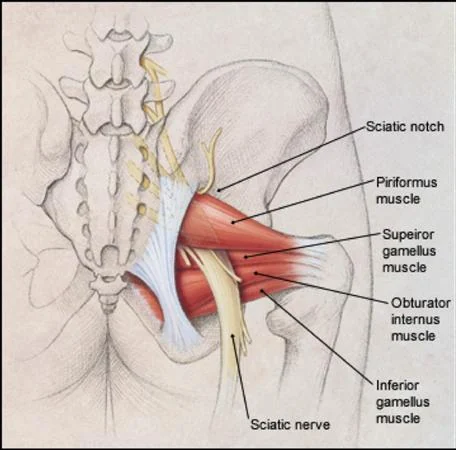
Pathophysiology and Causes
Sciatic nerve compression in the deep gluteal space
Piriformis-related
- Hypertrophy, spasm or contracture
- Post-traumatic scarring after a fall onto the buttock
- Anatomical variants: bipartite muscle, nerve piercing the muscle
Other causes
- Space-occupying lesions: tumour, haematoma, abscess
Clinical Presentation
History
- Buttock pain, often deep and unilateral
- Radiation down the posterior thigh, sometimes below the knee
- Neuropathic: burning, shooting, tingling
- Unable to sit for more than about 30 minutes. Classic
- Worse with climbing stairs
- Possible numbness and weakness in the sciatic distribution
- Usually little or no low back pain
Examination
- Deep gluteal tenderness over piriformis
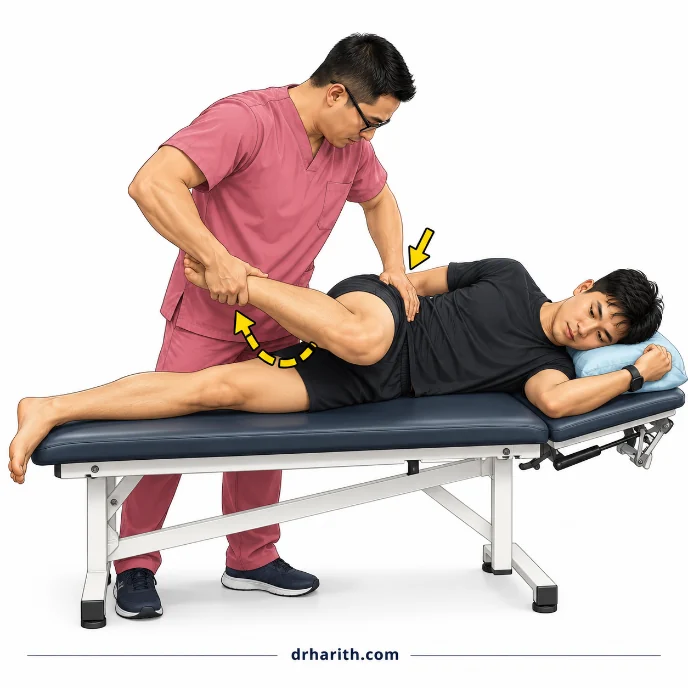
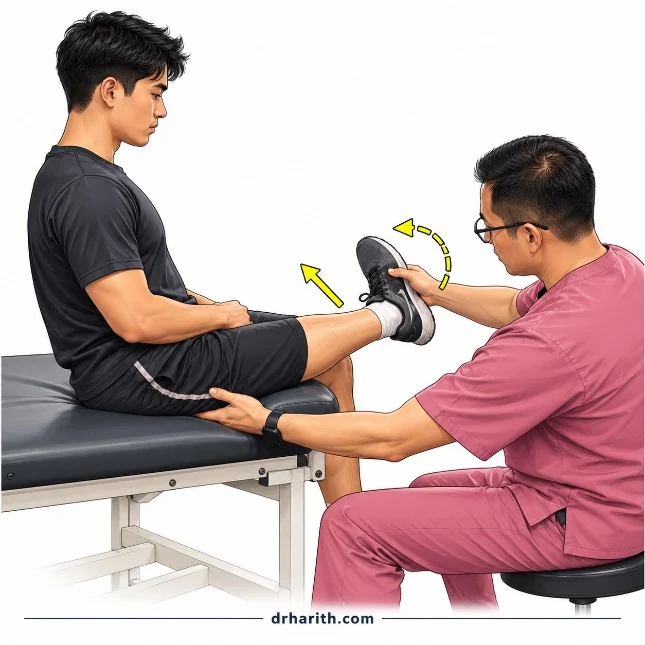
- Provacative tests: FAIR / Seated piriformis stretch test
- Straight leg raise often normal
- Neurological exam usually normal; check to exclude radiculopathy
Investigations
Piriformis syndrome is largely a diagnosis of exclusion.
- Lumbar spine MRI: exclude disc herniation, foraminal or spinal stenosis
- Ultrasound: dynamic assessment of sciatic nerve and piriformis; guides injections
Management
Non-operative (first line & most patients improve)
- Education and activity modification: reduce prolonged sitting, avoid sitting on a wallet, use cushions and regular breaks
Physiotherapy
- Stretching of piriformis and short external rotators
- Hip muscles strengthening, core stability
- Sciatic nerve gliding/mobilisation
- Soft tissue manipulation
- Modalities such as TECAR therapy
- Medications: NSAIDs, muscle relaxants (such as Myonal), neuropathic agents (such as Gabapentin, Pregabalin) for neuropathic pain
- Image-guided injections (ultrasound)
- Local anaesthetic ± corticosteroid into piriformis or perineural around the sciatic nerve
- Both diagnostic and therapeutic
- Botulinum toxin for refractory cases
References
- Martin, H. D., Reddy, M., & Gomez-Hoyos, J. (2015). Deep gluteal syndrome. Journal of Hip Preservation Surgery, 2(2), 99-107. doi:10.1093/jhps/hnv029
- Robinson, D. R. (1947). Pyriformis syndrome in relation to sciatic pain. The American Journal of Surgery, 73(3), 355-358
Related
Medical disclaimer: this article is general information, not personal medical advice. Always consult a qualified doctor about your own situation.